
 Shop
ShopWhat is PFA material and what are its applications in the semiconductor industry?
Mar
- Introduction of PFA material
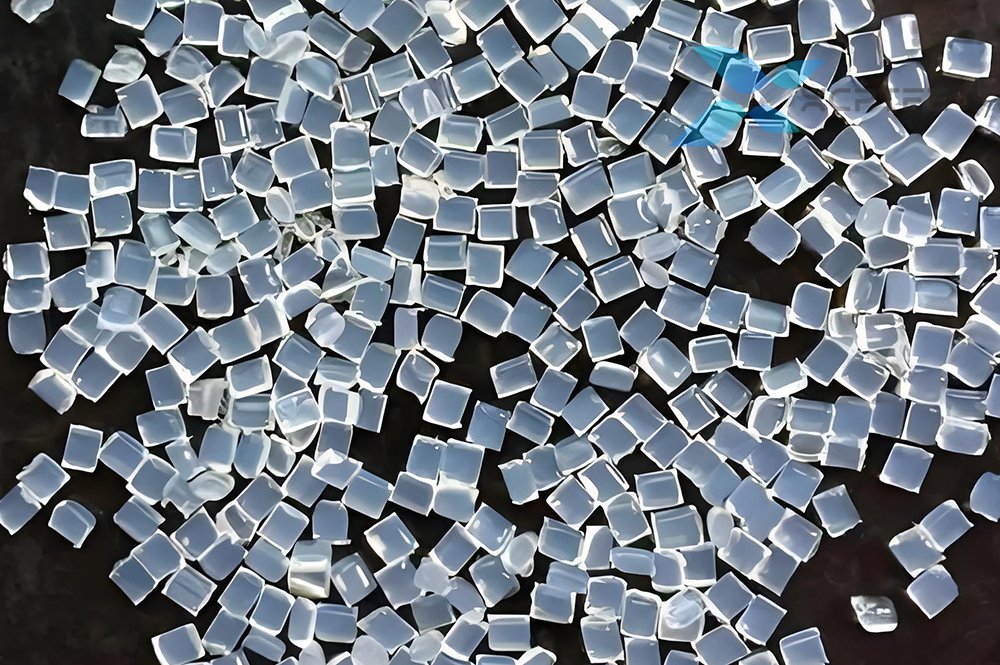
PFA, perfluoroethylene, is also known as perfluoroalkoxy vinyl ether copolymer (Perfluoroalkylates or Polyfluoroalkoxy). It offers the following advantages.
It is a copolymer of a small amount of perfluoropropyl vinyl ether and polytetrafluoroethylene. Unlike polytetrafluoroethylene (PTFE), PFA can be thermally processed using conventional thermoplastic techniques due to its lower melt viscosity and enhanced melt bonding, while retaining the same beneficial properties as PTFE.
The long-term service temperature range is -80 to 260 degrees Celsius. It exhibits chemical resistance and is resistant to all chemicals. Its coefficient of friction is the lowest of all plastics. Furthermore, it exhibits exceptional electrical properties, with its electrical insulation remaining uncompromised under temperature fluctuations. It is also referred to as the “King of Plastics”.
Its chemical resistance is similar to that of polytetrafluoroethylene and better than that of vinylidene fluoride.
Its creep resistance and compressive strength are both superior to those of polytetrafluoroethylene, and it exhibits a high tensile strength with an elongation rate of 100-300%. It exhibits favourable dielectric properties, radiation resistance, and flame retardancy.
It is non-toxic due to its physiological inertness, which allows for its safe implantation into the human body.
- The application of PFA in the semiconductor industry
- Transportation and storage
PFA fluororesin demonstrates exceptional chemical stability, enabling it to withstand extreme conditions, including elevated temperatures and strong acids, while maintaining its chemical inertness towards most solvents. This renders it an optimal material for the fabrication of storage containers and transportation pipelines. It ensures the high purity of electronic chemicals during the manufacturing process, avoids contamination of electronic chemicals caused by dissolution and erosion of reaction vessels, and thereby reduces the defect rate of wafers.
- Chemical Distribution System
The Chemical Distribution System (BCD) is a system that can distribute chemicals with a high degree of precision, thereby reducing the cost of removing the appropriate amount of chemicals from large containers. This system generally comprises fully automatic instruments for the blending and dilution of chemicals, and it is extensively utilized in electronic chemical factories. Fluororesin has been extensively applied in BCD infrastructure, including the production of ventilation pipes, valves, and water tanks, amongst other components.
- Wet etching and cleaning
In the wet process, the wafer undergoes a sequence of steps involving cleaning, etching, and thorough removal of photoresist and etching residue. In the course of the process, PFA fluororesin is transformed into a variety of instruments, including flow meters, with a view to guaranteeing the elevated purity of the etching solution and cleaning solution. PFA is not prone to cracking during use, thus ensuring the high efficiency of production.
- Chemical Mechanical Polishing (CMP)
The CMP process is instrumental in ensuring the wafer surface is rendered smooth prior to the process of vapor deposition. The liquid used in this process is a grinding fluid comprising fine particles. In the event of particles in the grinding fluid being excessively large, the wafer surface may be marked, thus resulting in defects in the product. The use of a PFA filter serves to restrict the interaction between impurities in the grinding fluid and the wafer.
- Holder
During the wet process, the wafers are positioned on brackets of a designated configuration. As PFA can be processed by melting, it is fabricated into various shapes of supports and used throughout the entire wafer processing.