
 Shop
ShopThe Miraculous “Soft Glass”-Why ETFE Film Deserves Its Name
Aug
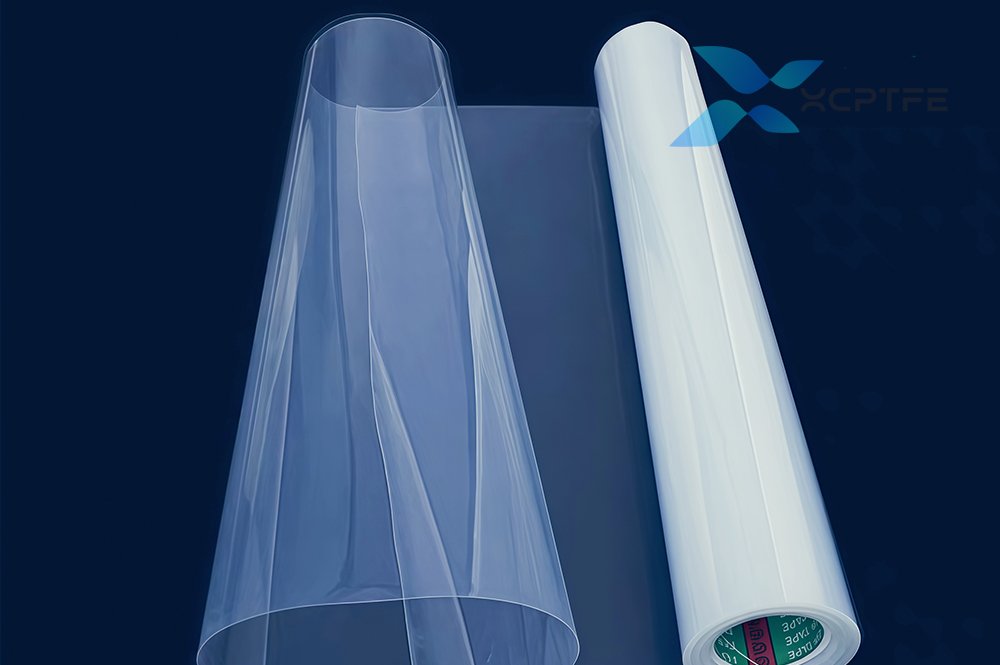
In the field of materials science, a fluoroplastic film is particularly noteworthy due to its ultra-light texture, high-temperature resistance, safety and durability, and almost perfect light transmittance. The material is known as “soft glass” and has become one of the most preferred material in the industry.
ETFE, also known as ethylene-tetrafluoroethylene copolymer, is a fluororesin that delivers exceptional performance. Originally developed for the aerospace industry, this material is highly versatile and can be supplied in powder, liquid, or granular form. It can be processed into various finished products, including anti-corrosion linings, films, hoses and cables through spraying, roller coating, extrusion and injection moulding. Currently, it has a wide range of applications in fields as diverse as chemical engineering, agriculture, construction, electronics and the automotive industry.
ETFE films are widely considered to offer one of the most advanced material properties in the industry. In terms of its strength and toughness, it is widely regarded as the best fluoroplastic on the market. It retains the excellent heat resistance, chemical corrosion resistance and electrical insulation of PTFE, while also achieving significant improvements in radiation resistance and mechanical properties. In addition to its extremely strong tear resistance, outstanding tensile strength, high hardness compatibility and excellent impact resistance, the material can also maintain stable performance even after long-term stretching and retracting use, ensuring a long service life.
In recent years, the application of ETFE films in the construction field has been particularly outstanding. In comparison with conventional transparent building materials, such as glass, it boasts superior light transmittance, is thinner and lighter, and concurrently possesses stronger deformation absorption capacity, excellent impact resistance and self-cleaning performance. For this reason, it is frequently incorporated into the roof and wall designs of shopping centers, cultural and educational venues, large sports venues, and transportation hubs such as airports and stations.
In addition to large public buildings, ETFE film structures have also shone brightly in the fields of ecological agriculture and modern greenhouses. Its stable and uniform light transmission performance can provide high-quality light conditions for plant photosynthesis. Meanwhile, the material is highly resistant to ultraviolet rays and weather, and is not prone to aging or yellowing even after long-term outdoor use. In addition, it features light weight, high strength, heat insulation and heat preservation. It not only reduces the load on the main structure of the greenhouse, but also effectively withstands adverse weather conditions such as wind and snow, significantly lowering the later cleaning and maintenance costs. It has become the preferred covering material for efficient facility agriculture.
From space technology to civil engineering projects, from sports venues to rural greenhouses, ETFE has long set new standards in material application, thanks to its outstanding capabilities. It is not only an outstanding “soft glass”, but also a high-quality material that promotes the upgrading of modern architecture and modern agriculture. As technology continues to advance and application scenarios keep expanding, it is anticipated that this material, which combines both appearance and strength, will become increasingly prevalent in a range of fields.